Category Deep-Dive
Map a whole category with real consumers before you commit. Flickly reveals the trends, the players, and the white space in one view, so you find the gap your product can own. Full picture in 72 hours.
What is a category deep-dive?
A category deep-dive is a consumer research method that maps how people shop an entire category: what they buy, why they switch, and where their needs go unmet. It brings the trends, the players, and the white space into a single view, so you understand the market before you invest in it.
Think of it as your map before the bet. Teams use a category deep-dive to size real demand, spot underserved needs, and pinpoint the gap a new product or brand can own, all grounded in what consumers actually do rather than what feels popular this quarter.
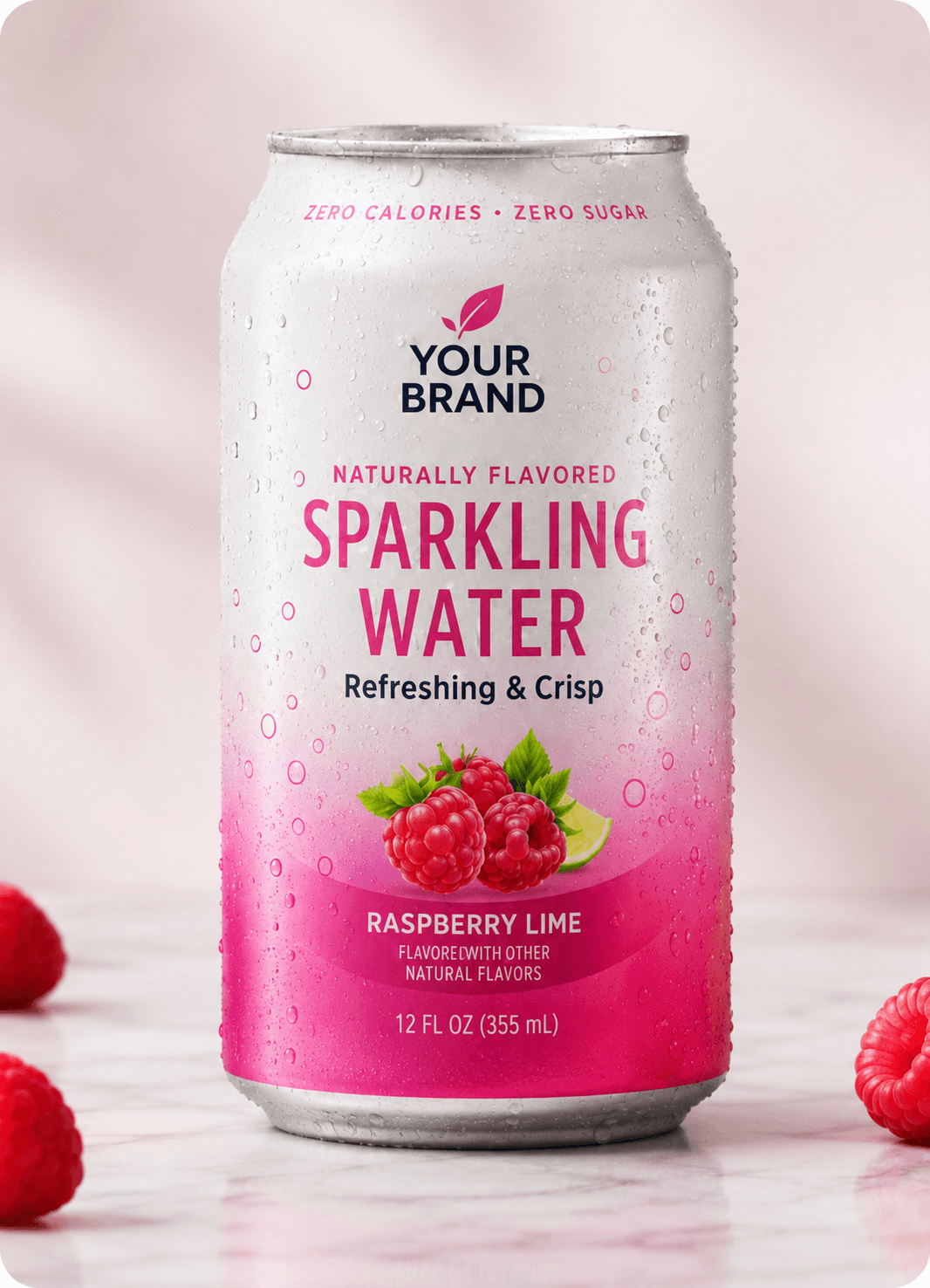
Sparkling water
Why run a category deep-dive before you invest?
Because trends look big on social and small in the cart. Building for a category you have only read about in reports is how good products end up chasing demand that was never really there.
Flickly maps the full category with real buying behaviour and surfaces where the opportunity actually sits:
Size the demand, not the hype.
Trends look big on social and small in the cart. Flickly measures real buying behaviour, so you size demand on evidence and not on what feels popular this quarter.
Find the white space.
The opportunity is where needs go unmet. Flickly maps what consumers want against what brands deliver, so the gap your product can own becomes obvious.
Profile the buyers that matter.
A category is many audiences in a trench coat. Filter every result by age, income, and region to find which buyer group to win first, and how.
See what the category looks like
This is exactly how a category study appears to participants. You field it to a verified consumer panel in minutes, and responses start arriving within hours.
What matters most to you when buying in this category?
Select one option below
Price
Value-led
Quality
Quality-led
Brand
Trust-led
What does a category deep-dive measure?
A category deep-dive measures more than what is trending. Flickly reports the numbers that reveal where real opportunity sits and how much of it there is:
Unmet Need
Share of buyers who say their top need in the category is not fully met today. This is where new demand hides.
57%
Switching Intent
Buyers open to switching brands in the next purchase cycle for the right reason.
1 in 3
Segments Mapped
Distinct buyer groups you can size and profile in a single study.
12+
How does a category deep-dive
work on Flickly?
Define your category question
Tell Flickly the category and the questions you need answered, and we build your category research study automatically.
Match your deep-dive to a verified audience
We field your category study to a verified panel matched to the category and target buyer.
Watch the category map fill in live
See emerging trends, buyer segments, and white space take shape on a live dashboard within hours.
Get a ranked category recommendation
Flickly delivers a ranked view of the trends, segments, and white space shaping your category, not a dump of charts.




.7c10a35a.svg?dpl=dpl_HLxnq7gNzN9PRPoixKPNjvphYZJF)